
Does Your Insurance Cover Water Damage in Your Home?
When you purchase homeowners insurance, you expect it to provide financial protection if something unexpected happens to your property. However, not every type of water damage is covered, and understanding the differences can help you prepare for an unexpected plumbing problem.
Homeowners insurance policies typically distinguish between sudden, accidental incidents and damage that develops gradually. The source of the water, the circumstances surrounding the damage, and the terms of your policy all play a role in determining coverage.
If you notice signs of water damage, contacting a water leak detection company in Sacramento, CA can help identify where the water is coming from. For questions about your specific coverage, always consult your insurance provider.
Does My Homeowner’s Insurance Cover Water Damage?
What’s Typically Covered by Homeowners Insurance?
Many homeowners insurance policies provide coverage for water damage resulting from sudden and accidental events. However, exclusions and policy conditions may apply, and coverage for the resulting damage does not necessarily include repairing the appliance or plumbing component that caused it.
Some examples of water damage that may qualify for coverage include:
- Burst pipes: An unexpected plumbing pipe failure may result in covered water damage. Frozen pipes can also qualify under certain circumstances, although insurers may consider whether reasonable precautions were taken to maintain heat and protect the plumbing system.
- Accidental leaks: A sudden failure involving a washing machine, dishwasher, or other household appliance may cause water damage that qualifies for coverage. This differs from a slow leak that has developed over an extended period.
- Fire-related water damage: Water used by firefighters or fire suppression systems to extinguish a covered fire may cause additional damage to your home. This resulting water damage is generally included in the associated covered claim.
- Roof leaks: If a covered event, such as strong winds or a fallen tree limb, damages your roof and allows rainwater inside, the resulting damage may be covered. However, water intrusion associated with an aging or poorly maintained roof may be excluded.
- Water damage from storms: Rainwater entering through storm-related damage to a roof or other covered portion of your home may qualify for insurance coverage. Certain ice dam-related losses may also be covered, depending on the policy. However, surface flooding, groundwater seepage, and other excluded sources of water generally require different coverage.
Although these situations may qualify for coverage, your insurance provider must evaluate the specific circumstances and policy terms before determining whether a claim is covered.
What’s Not Usually Covered by Homeowners Insurance?
While homeowners insurance provides protection against many unexpected events, several common types of water damage are excluded from standard policies.
Understanding these exclusions can help you recognize when additional coverage or preventive maintenance may be necessary.
- Flood damage: Standard homeowners insurance generally does not cover flooding caused by rising surface water, overflowing rivers, or stormwater entering a home from the ground. Flood damage typically requires a separate flood insurance policy, regardless of whether one property or an entire neighborhood is affected.
- Water damage from lack of maintenance: Damage associated with neglected plumbing, deteriorating roofing materials, or other maintenance issues may not be covered. Homeowners are generally expected to take reasonable steps to maintain their properties and address known problems.
- Water damage from earth movement: Earthquakes and other forms of earth movement are commonly excluded from standard homeowners policies. Water damage resulting from an earthquake-related pipe failure may require earthquake coverage or an applicable endorsement, depending on the policy.
- Gradual water damage: A slow plumbing leak that develops over weeks or months may cause significant damage to walls, flooring, and other building materials. Standard policies often exclude long-term leakage or seepage, although some policies provide limited coverage under specific conditions.
Because coverage varies, homeowners should review their policies and discuss any questions about water damage exclusions with their insurance providers.
Leak Detection Services
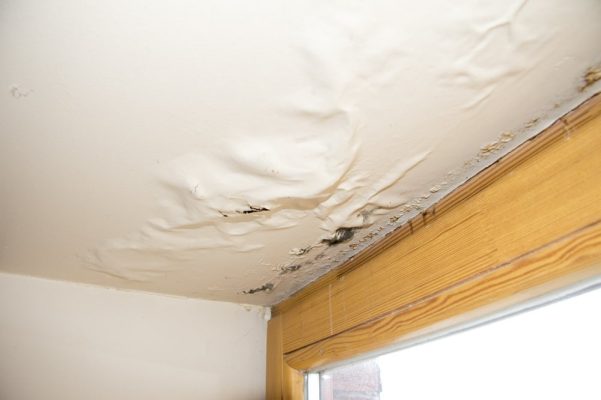
Understanding whether water damage is covered is only part of the process. When moisture appears in an unexpected location, determining where it originated can help homeowners understand the problem and take appropriate action.
Professional leak detection services use specialized equipment and inspection techniques to locate hidden plumbing leaks. Identifying the source can also provide useful information when documenting water damage for an insurance claim.
Does Homeowners Insurance Cover Leak Detection Services?
Homeowners insurance may cover professional leak detection services in certain circumstances, particularly when an inspection is necessary to locate the source of water damage associated with a covered claim.
However, coverage is not automatic. Insurance providers may distinguish between locating a leak, accessing damaged plumbing, repairing the failed pipe, and restoring water-damaged materials. Each expense may be subject to different policy provisions.
For example, if a hidden pipe suddenly fails and causes covered water damage, the insurance provider may authorize or reimburse certain expenses associated with locating the leak. Preventive inspections and leak detection services unrelated to a covered loss, however, are generally the homeowner’s responsibility.
Before scheduling an inspection, review your policy and speak with your insurance provider about any coverage requirements.
Bullseye Leak Detection offers professional leak detection and insurance inspections to help identify hidden leaks and provide findings that may assist homeowners and insurance adjusters during the claims process.
The Importance of Leak Detection Services
Whether you’re investigating unexpected water damage or concerned about a possible plumbing problem, identifying leaks promptly can help protect your home from additional damage.
Professional leak detection services offer several important benefits:
- Early detection: Specialized equipment can help locate leaks concealed behind walls, beneath flooring, or underground before additional damage occurs.
- Potential cost savings: Identifying a plumbing leak promptly may reduce the extent of water damage and the need for more extensive restoration.
- Property protection: Addressing hidden leaks can help preserve building materials and reduce the risk of structural deterioration.
- Reduced moisture problems: Finding and addressing leaks can help limit the prolonged moisture conditions that contribute to mold growth.
- Useful documentation: Inspection findings can help homeowners better understand the source of water damage and provide information that may be relevant to an insurance claim.
Contact Bullseye Leak Detection for Leak Detection
Water damage can be stressful, especially when the source is hidden or you’re unsure whether your homeowners insurance will cover the loss. Identifying the cause is an important first step toward addressing the problem.
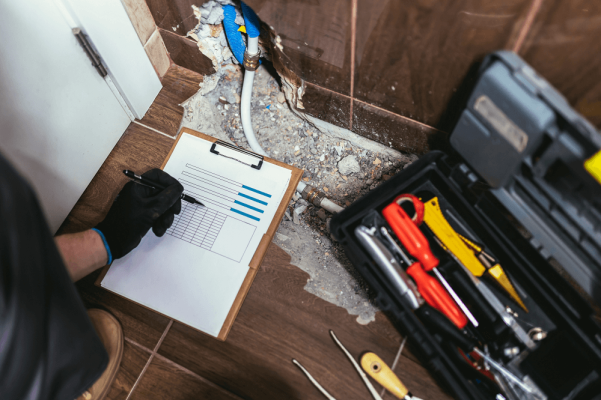
Bullseye Leak Detection provides professional water leak detection services in Sacramento, the Central Valley, and surrounding communities. Our experienced team uses specialized equipment to locate hidden leaks and provide detailed inspection findings.
If you’ve noticed unexpected moisture, unexplained water damage, or other signs of a plumbing leak, contact our expert leak detection team to schedule an inspection and get the information you need to move forward.

