
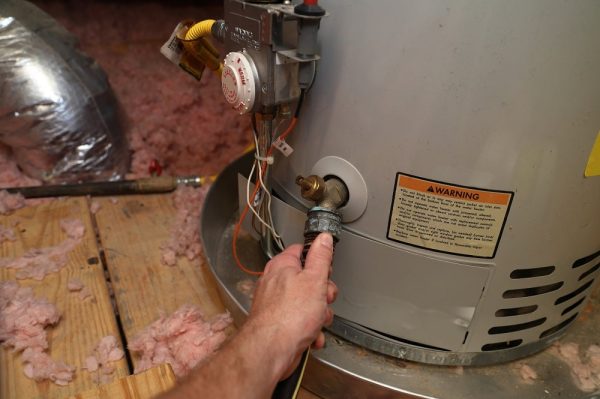
Common Signs of Water Heater Troubles You Shouldn’t Ignore
Even if your water heater is tucked away in a garage or utility closet, a quick check can help you catch problems early. Here are the most common red flags homeowners notice first.
Varying Water Temperatures
If you see signs of water heater troubles like water that fluctuates between too hot, too cold, and just right, the issue may be related to the water heater—or it may be a fixture problem.
Safe checks for homeowners
-
Notice whether temperature changes happen at one fixture or throughout the home
-
Make a note of when it happens (first thing in the morning, after laundry, after back-to-back showers)
-
If it happens at only one shower, the shower mixing valve or anti-scald valve may be the cause—not the water heater
-
If you have a tankless unit and the water goes hot/cold rapidly, a low-flow situation or the unit’s minimum-flow requirement may be involved
When to call a professional
-
The problem continues for more than a day or two
-
Multiple fixtures are affected
-
You suspect an internal control, burner, or electrical component issue
Consistently Lukewarm Water
If your shower never turns fully cold but can’t get truly hot, it typically means the system isn’t heating efficiently and could be one of the signs of water heater troubles.
What this can mean
-
Electric tank: a failing thermostat or heating element can reduce heating performance
-
Gas tank: burner operation, gas controls, venting or combustion air issues, or sediment buildup can lower output
-
Tankless: scaling, venting issues, or sensor-related problems can prevent proper heating
What to do next
A qualified water heater technician can diagnose the cause safely and recommend the best fix. If your unit is older or showing multiple symptoms, replacement may be the most cost-effective long-term solution.
Running Out of Hot Water Quickly
All hot water tanks have a limit to how much hot water they can supply at once. However, if your hot water supply has become noticeably shorter than it used to be, it often points to a developing issue.
Common causes include
-
A failing heating element or thermostat (electric tank)
-
Burner or control issues (gas tank)
-
Sediment buildup reducing effective tank capacity (tank systems)
-
A broken dip tube, which can cause hot and cold water to mix (tank systems)
-
An undersized system for the household’s needs
-
Scaling or flow-related issues (tankless systems)
Helpful clues
-
Hot water runs out even with normal shower length
-
It takes noticeably longer for hot water to return
-
The issue has worsened gradually over time
Leaks or Moisture Around the Tank
Moisture or water pooling around the base of a tank should be taken seriously. Over time, rust and corrosion can weaken a tank and cause structural failure.
What to look for
-
Drips from nearby fittings or valves
-
Dampness, pooling, or rust-colored staining near the bottom
-
Visible corrosion on the tank body
-
Dripping from the temperature and pressure (T&P) relief valve discharge pipe, which can signal a pressure or temperature issue
Important note for homeowners:
Before assuming the tank itself has failed, check whether the water is coming from a connection, valve, or fitting above the tank (or from condensation), which can drip down and collect near the base.
When to call right away
-
Any active leak, steady dripping, or pooling water
-
Signs the tank itself may be leaking rather than a connection
-
Any ongoing or repeated discharge from the T&P relief valve
Safety note:
Never cap or plug a T&P relief valve discharge pipe. It is a critical safety device, and repeated discharge should be evaluated promptly by a professional.
A compromised tank typically requires replacement, especially if the leak is coming from the tank body.
Reduced Hot Water Flow or Pressure
If you notice reduced hot water flow, the cause is often a restriction somewhere in the hot-water path—not necessarily the tank itself.
Common causes include
-
Clogged faucet aerators or showerheads, especially after plumbing work
-
A partially closed shutoff valve near the water heater
-
Corroded or blocked fittings at the hot-water outlet (older tank systems)
-
Debris from dip tube deterioration (older tank systems)
-
Scaling in the heat exchanger (tankless systems), which can significantly reduce flow
Typical solution
Have a professional inspect the water heater connections and fixtures, and descale the system if needed, especially for tankless units.
Unusual Noises: Popping, Rumbling, or Gurgling
Noises from the tank are commonly linked to sediment buildup or a heating system that’s working harder than it should.
What different sounds can mean
-
Popping or crackling: sediment heating and releasing
-
Rumbling or banging: heavier buildup, overheating near the bottom, or expanding metal
-
Loud roaring or kettling: overheating around sediment and should be checked promptly
Urgent safety note
If you hear loud roaring or kettling and also notice water discharging from the T&P relief valve, shut the unit down if you can do so safely and call a professional immediately. For electric units, shut off power at the breaker. For gas units, follow the shutoff instructions on the unit. When in doubt, call a pro first.
Other Issues That Can Mimic Water Heater Trouble
Sometimes the water heater is working, but hot water is being cooled or mixed before it reaches your fixtures—or the system is under unusual demand.
Plumbing and mixing problems
-
A failing shower mixing valve or thermostatic mixing valve
-
A cross-connection where cold water mixes into hot
-
A recirculation system issue
-
A hot-water line leak, including under-slab leaks, which may also show up as higher water bills or warm spots in flooring
Demand and weather factors
-
Cold snaps that lower incoming water temperature and slow recovery time
-
Heavy household demand from multiple showers, laundry, and dishwashers used close together

Signs It’s Time to Replace Your Water Heater
At a certain point, replacement is safer and more cost-effective than continued troubleshooting, especially if multiple warning signs are happening at once.
Clear replacement triggers
The tank is leaking
If the leak is coming from the tank body rather than a fitting or valve, replacement is typically required.
Discolored hot water
Red, orange, or rusty-looking hot water can indicate internal corrosion. Because corrosion can lead to leaks, inspection and replacement should be prioritized.
Problems keep returning after professional service
If the system has been flushed, descaled, or repaired and symptoms return quickly, replacement may be the most practical option.
The unit is near the end of its typical service life
Many tank-style units last roughly 8–12+ years depending on maintenance and water conditions. Tankless units often last longer when they’re maintained and descaled regularly.
How to Keep Your Water Heater in Tip-Top Shape
Your water heater works hard every day to keep hot water ready when you need it. With basic maintenance, you can improve performance, reduce utility costs, and extend the life of your unit.
Flush or descale based on water conditions
Tank systems
Flushing helps remove sediment buildup, one of the leading causes of inefficiency and failure. Flushing frequency depends on water hardness and manufacturer guidance, but annual service is common in many homes.
Tankless systems
Tankless units often need periodic professional descaling to remove mineral buildup in the heat exchanger and maintain performance.
Check your thermostat setting
A safer target temperature
Many water heaters are set higher than 120°F. Setting the thermostat to 120°F can reduce scald risk and may reduce scaling and energy use. Some homes use a mixing valve or have special needs—ask a professional if you’re unsure what setting is best for your household.
If you’re unsure, don’t adjust it yourself
If you’re not sure how to safely access the controls, have a professional adjust the setting. Some setups use a mixing valve to balance scald risk and performance.
Consider water treatment for hard water
Hard water can accelerate mineral buildup. Helpful options include installing a whole-home water softener system and scheduling regular professional flushing or descaling as recommended.
Insulate the tank and hot water pipes (when appropriate)
Insulating the tank and nearby hot water pipes can help reduce heat loss, improve temperature consistency, and reduce cycling.
Safety note
Follow manufacturer guidelines and avoid covering vents, access panels, controls, or safety labels. For gas units, ensure insulation does not block combustion air or venting.
When Your Water Heater Fails
All water heaters eventually need replacement. If your water heater is around 10 years old or you’re seeing repeated signs of trouble, installing a new unit is often the safest and most cost-effective option.
Newer water heaters are more efficient, and tankless models can provide continuous hot water without the limitations of a storage tank. If your water heater isn’t working properly or has begun leaking, contact Bullseye Leak Detection for water heater replacement in Sacramento.

